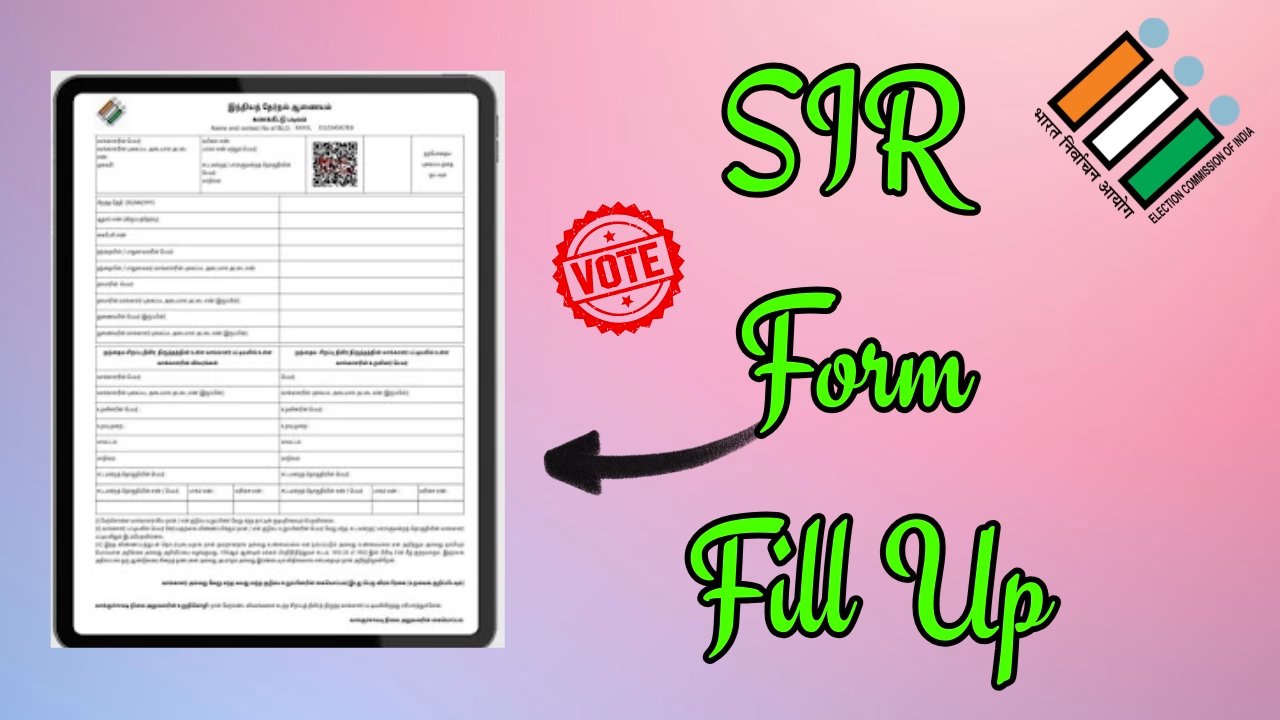
Introduction to eRolls
eRolls, also known as Electronic Electoral Rolls, are digital versions of voter lists maintained by the Election Commission. These rolls contain details of all registered voters in a particular constituency, making it easier for authorities to manage, update, and verify voter data efficiently. The system has modernized how elections are organized, ensuring better transparency and accessibility for both officials and the public.
What Are eRolls?
An eRoll is a computer-based record that includes a voter’s name, address, photo, and identification number. It is a secure and digital copy of the physical voter list, allowing election authorities to maintain accurate and easily retrievable voter information. The eRoll can be downloaded, printed, or verified online through the official election portal of each state or the Election Commission of India’s website.
The Purpose of eRolls
The main goal behind eRolls is to make the election process more efficient, transparent, and secure. By digitizing voter records, authorities can minimize manual errors, prevent duplication, and ensure that every eligible citizen can exercise their right to vote without complications. It also provides a convenient way for voters to verify their details before elections.
How to Access eRolls Online
Accessing eRolls has become simple through online portals. Voters can visit their respective state election websites or the official National Voter Services Portal (NVSP) to check if their name appears on the voter list. By entering details like name, EPIC number, or district, users can easily download or view the digital voter roll. This online access has greatly improved voter engagement and participation.
Benefits of eRolls
The introduction of eRolls has transformed the electoral process in many ways. It helps maintain up-to-date voter information, supports transparent elections, and enables real-time verification of voter identity. Election officials can manage corrections, deletions, and additions more efficiently, reducing the risk of fraudulent entries. For voters, it provides convenience and accessibility, especially for those in remote areas.
eRolls and Voter ID Integration
The eRolls system works hand-in-hand with the Voter ID card database. Any update made to a voter’s information, such as name correction or address change, is automatically reflected in the eRoll. This integration ensures consistency across all official election documents and prevents mismatches during the voting process.
How eRolls Ensure Transparency
One of the key strengths of eRolls is the transparency it brings to the electoral system. Since these digital records are available publicly through government websites, political parties and voters can cross-check information, helping prevent manipulation or exclusion of names. This digital openness builds trust between the Election Commission and the public.
Updating and Correcting eRoll Information
If a voter notices any error in their eRoll entry, they can request correction through Form 8 available on the NVSP portal. Similarly, new voters can register using Form 6, while those who have moved can apply for address updates using Form 8A. The correction process has become quick and paperless, thanks to the digitization of the system.
Security and Privacy of eRoll Data
To ensure the security of personal information, the Election Commission has implemented strict data protection measures. The eRoll system uses encryption and secure servers to prevent unauthorized access. Only authorized officials can make changes to the data, ensuring that the electoral database remains tamper-proof.
Importance for a Digital India
eRolls align with India’s vision of a Digital India by making government services accessible online. It eliminates the need for manual record-keeping and supports sustainable governance by reducing paper usage. The system symbolizes India’s move toward transparent, tech-enabled administration.
The Future of eRolls in Elections
As technology evolves, eRolls are expected to integrate with biometric systems and blockchain-based verification to enhance authenticity. Future elections may see real-time updates and AI-based monitoring to detect irregularities, ensuring the integrity of democratic processes.
Conclusion
eRolls represent a major step forward in India’s democratic and digital journey. By digitizing voter lists, the Election Commission has improved accuracy, accessibility, and transparency in elections. It empowers both voters and administrators, paving the way for a more efficient and reliable electoral system.