Introduction to the National Livestock Mission
The National Livestock Mission is an important initiative launched by the Government of India to improve the livestock sector and enhance the income of farmers. This mission focuses on sustainable livestock development by providing financial support, modern technology, and training opportunities to farmers across the country. It aims to transform traditional livestock practices into a more productive and profitable system.
Objectives of the National Livestock Mission
The primary goal of the National Livestock Mission is to accelerate livestock production and increase productivity. It aims to promote entrepreneurship in the livestock sector, support rural farmers, and strengthen the nation’s food and nutritional security. The mission also encourages scientific methods in animal husbandry, helping farmers adopt advanced practices.
Importance of the Mission for Farmers
The mission plays a major role in improving the livelihood of farmers, especially small and marginal farmers. Through financial assistance, skill development programs, and support for infrastructure, farmers are able to increase their income. The mission also helps create job opportunities in rural areas by supporting dairy farming, goat rearing, poultry farming, and other livestock activities.
Key Components of the Mission
The National Livestock Mission focuses on several important components such as feed and fodder development, improving livestock health, promoting rural backyard poultry, and supporting breed development. These components ensure that livestock productivity increases while maintaining the overall health of animals.
Support for Breed Improvement
Breed improvement is a significant part of the mission. By promoting high-quality breeds, farmers can achieve better milk, meat, and egg production. The mission also supports artificial insemination centers, breeding farms, and genetic enhancement programs to ensure long-term growth of the livestock sector.
Promotion of Entrepreneurship
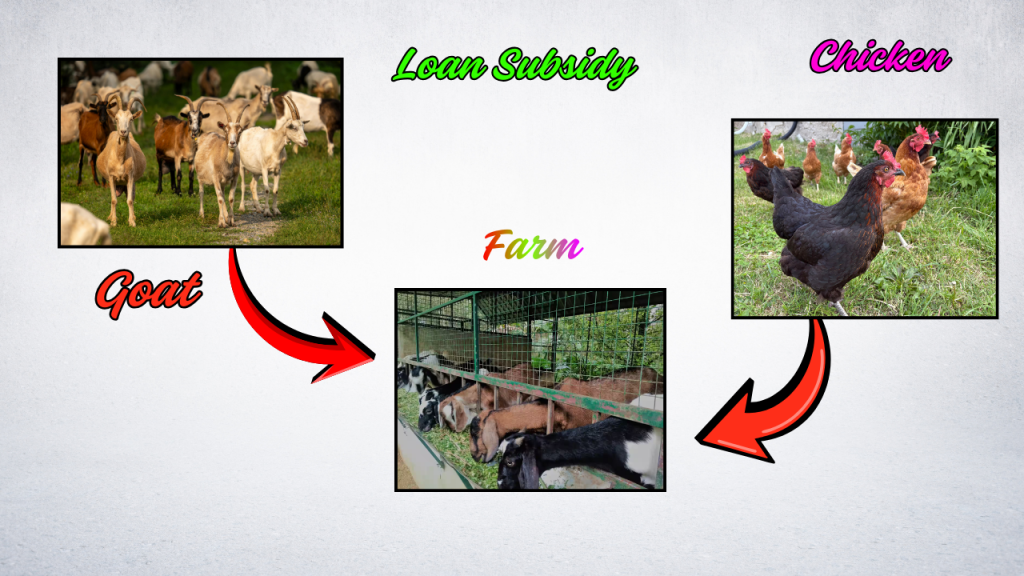
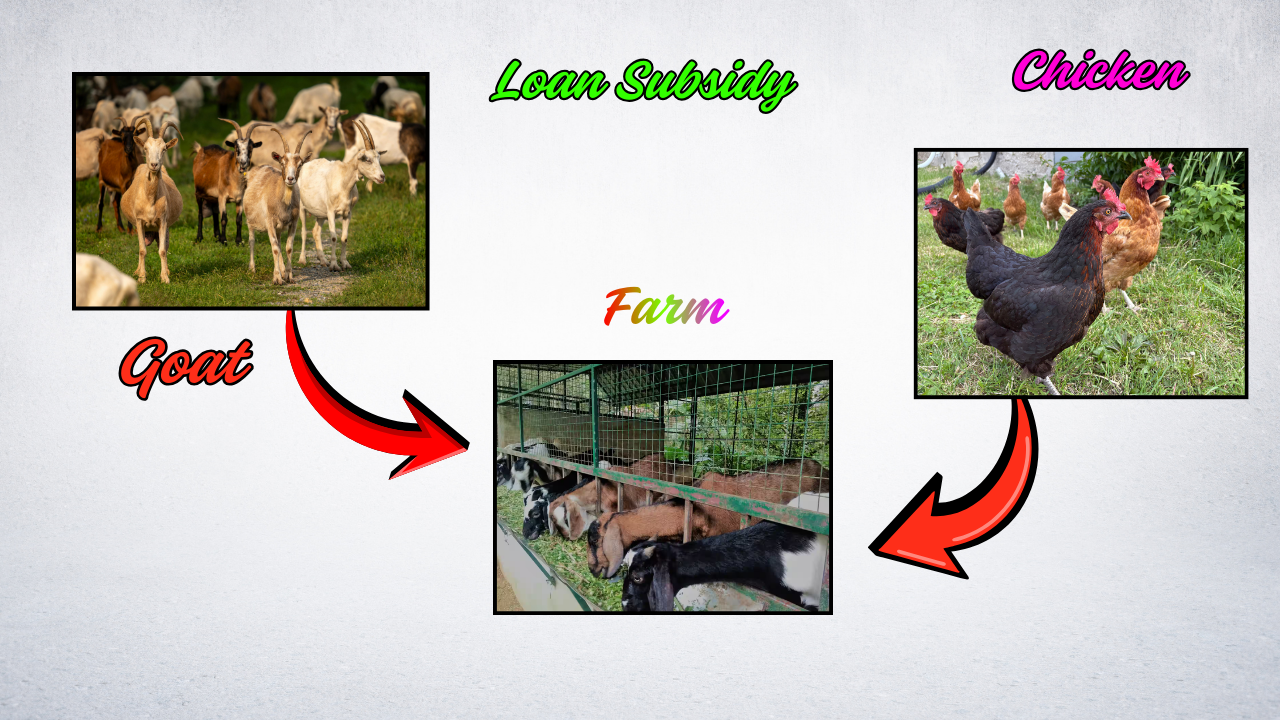
The mission encourages individuals and groups to start livestock-based businesses. This includes establishing dairy units, goat farms, poultry farms, and sheep farms. The mission provides loans, subsidies, and training to help people become successful livestock entrepreneurs.
Financial Assistance and Subsidies
Farmers and entrepreneurs receive financial support under the mission for building sheds, buying livestock, and developing fodder cultivation. Subsidies are provided based on the category of the beneficiary, making it easier for farmers to take up livestock-related activities without facing financial burden.
Training and Capacity Building
To ensure that farmers adopt modern techniques, the mission conducts various training programs. These programs cover topics like scientific feeding, disease control, fodder cultivation, and efficient livestock management. Training helps farmers improve productivity and maintain healthy livestock.
Improving Livestock Health
Animal health is a major focus of the mission. Vaccination drives, veterinary services, and disease prevention programs are organized regularly. Healthy livestock leads to better productivity and reduces losses for farmers.
Contribution to Rural Economy
The National Livestock Mission significantly contributes to the rural economy by creating employment opportunities. Livestock farming acts as a stable source of income for rural households and plays a vital role in strengthening rural financial stability.
Encouraging Fodder Development
Availability of nutritious fodder is essential for livestock growth. The mission promotes fodder cultivation, fodder processing units, and silage making. These efforts help farmers access high-quality feed throughout the year and improve the overall health of animals.
Role of Technology in the Mission
The mission encourages the use of modern technology such as mobile-based advisory services, automated milking machines, and improved breeding tools. Technology helps farmers manage livestock efficiently and increase overall production.
Environmental Sustainability
The mission promotes eco-friendly livestock farming practices. It supports methods that reduce environmental impact, improve soil health, and promote efficient use of natural resources. Sustainable practices ensure long-term benefits for farmers as well as the environment.
Government and Private Sector Collaboration
Successful implementation of the mission involves close cooperation between government agencies, private organizations, and research institutions. This partnership helps deliver quality services, advanced training, and modern technologies to farmers.
Conclusion
The National Livestock Mission is a major step towards transforming India’s livestock sector. By providing financial support, training, and technological assistance, the mission empowers farmers and strengthens the rural economy. It ensures that livestock farming becomes more productive, sustainable, and profitable for future generations.