Accelerating Social Impact Through Technology
Technology has become a powerful force in addressing some of the world’s most pressing social challenges. From improving access to education and healthcare to empowering marginalized communities and strengthening governance, digital innovation is accelerating social impact at an unprecedented pace. When used thoughtfully, technology not only solves problems faster but also creates scalable and sustainable solutions that reach people who were previously left behind.
The Role of Technology in Social Transformation
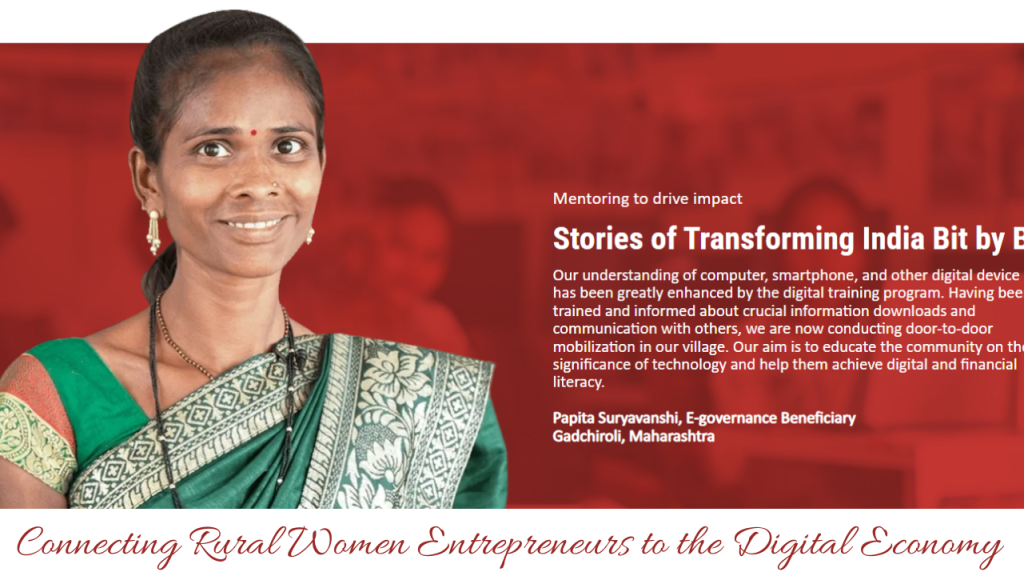
Technology acts as a bridge between resources and communities in need. Digital platforms, mobile applications, and data-driven systems enable organizations to deliver services more efficiently and transparently. By reducing geographical and economic barriers, technology allows social initiatives to reach rural and underserved populations, making development more inclusive and equitable.
Enhancing Access to Education Through Digital Tools
Online learning platforms, virtual classrooms, and educational apps have transformed how knowledge is shared. Students from remote areas can now access quality education through smartphones and internet connectivity. Digital content in local languages further enhances learning outcomes and ensures that education is not limited by location or socioeconomic background.
Improving Healthcare Delivery with Innovation
Technology has revolutionized healthcare by enabling telemedicine, digital health records, and AI-powered diagnostics. Patients can consult doctors remotely, reducing travel time and medical costs. Health monitoring apps and wearable devices help in early detection of diseases, while data analytics supports better decision-making for public health planning.
Empowering Communities with Financial Technology
Financial technology has played a major role in promoting economic inclusion. Mobile banking, digital wallets, and online payment systems provide secure financial access to people without traditional bank accounts. This empowerment supports small businesses, encourages savings, and strengthens local economies, leading to long-term social development.
Data and Artificial Intelligence for Social Good
Data analytics and artificial intelligence help organizations understand social issues more deeply. Predictive models identify risk areas, optimize resource allocation, and measure impact more accurately. When used ethically, AI enhances the effectiveness of social programs and ensures that interventions are evidence-based and result-oriented.
Strengthening Governance and Transparency
Digital governance tools improve transparency, accountability, and citizen engagement. Online portals for public services reduce corruption and simplify administrative processes. Technology also enables citizens to voice concerns, track government initiatives, and participate actively in democratic processes.
Challenges in Using Technology for Social Impact
Despite its benefits, technology adoption faces challenges such as digital divides, data privacy concerns, and lack of digital literacy. Without proper infrastructure and training, technology may exclude vulnerable populations. Addressing these challenges requires inclusive policies, ethical frameworks, and community-centered design approaches.
The Future of Technology-Driven Social Impact
The future lies in collaborative innovation where governments, private sectors, and social organizations work together. Emerging technologies like blockchain, Internet of Things, and advanced AI have the potential to further accelerate social impact. With responsible use and inclusive strategies, technology can become a lasting catalyst for positive social change.
Conclusion
Accelerating social impact through technology is not just about innovation but about intention and inclusivity. When technology is aligned with social values and human needs, it becomes a powerful tool for transformation. By leveraging digital solutions responsibly, societies can build a more equitable, connected, and sustainable future.