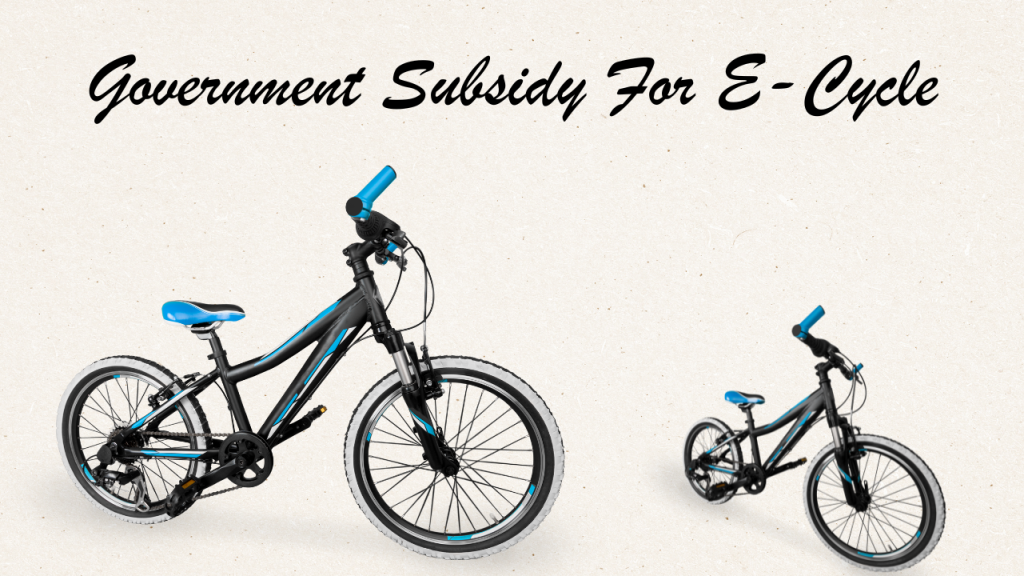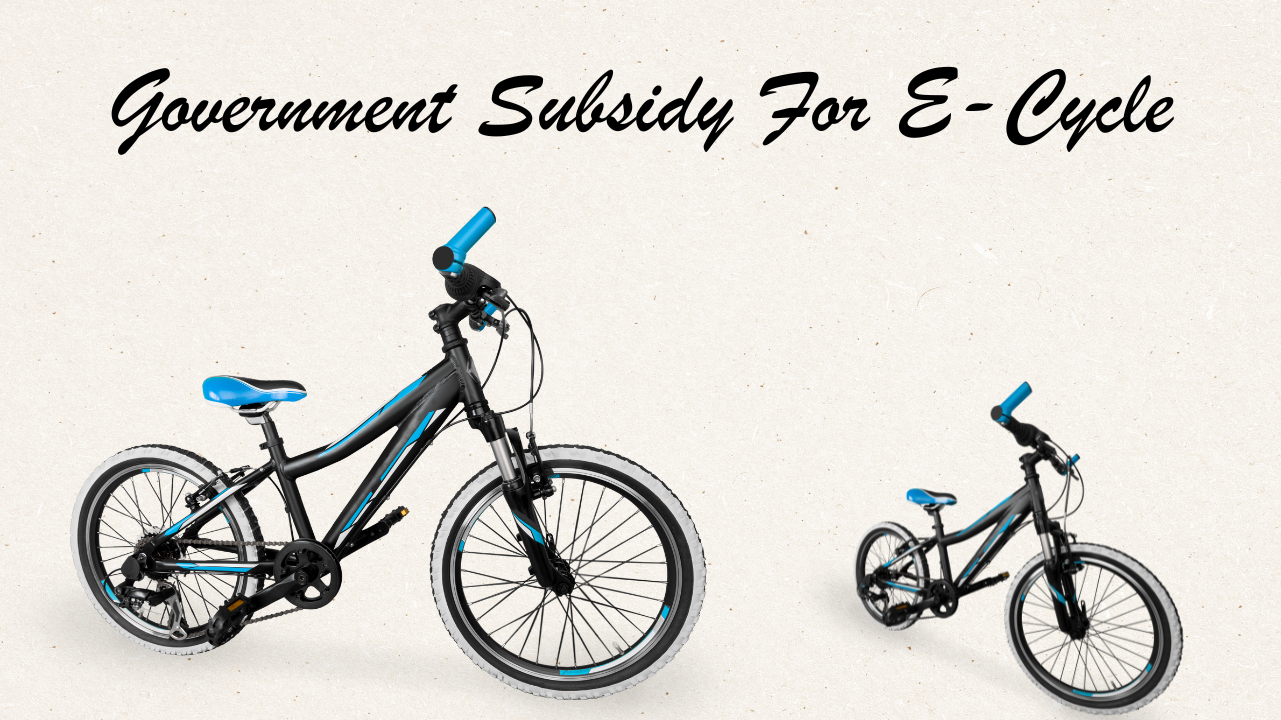
Government Subsidy for Cycles: A Step Toward Sustainable Mobility
In recent years, many governments around the world have introduced subsidies for bicycles as part of their efforts to promote sustainable transportation, improve public health, and reduce environmental pollution. These subsidies aim to make bicycles more affordable and accessible to people from various income groups.
Why Governments Support Cycling
Cycling has many benefits that align with modern public policy goals. It helps reduce traffic congestion in urban areas and lowers carbon emissions since bicycles do not rely on fossil fuels. In addition, cycling contributes to healthier lifestyles, helping communities fight issues like obesity and heart disease. Recognizing these advantages, governments are increasingly investing in programs that encourage citizens to choose bicycles over motorized vehicles.
How Cycle Subsidy Programs Work
Cycle subsidy programs vary from country to country and sometimes even within regions of the same country. Typically, subsidies lower the purchase price of bicycles by offering funds directly to the buyer, providing tax rebates, or giving financial incentives to manufacturers and retailers. These programs may also extend to electric bicycles, especially where electric mobility is encouraged as a clean alternative to motorcycles and cars.
Eligibility for Cycle Subsidies
Eligibility criteria depend on the specific government scheme. Some programs target students and low-income individuals to ensure that vulnerable populations benefit from affordable transport options. Other schemes might focus on promoting cycling in congested cities or incentivizing employers to support bicycle commuting among workers.
Benefits for Individuals and Communities
The most immediate benefit of bicycle subsidies is financial savings for the individual buyer. By reducing the upfront cost, more people are able to afford a bicycle for daily commuting, errands, or leisure. Beyond personal savings, increased cycling can improve overall community health, reduce air and noise pollution, and create safer, more livable cities. The use of bicycles also plays a role in reducing greenhouse gas emissions and advancing environmental sustainability goals.
Supporting Infrastructure and Policies
Subsidies are most effective when paired with supportive infrastructure and policies. Governments and local authorities often invest in dedicated cycling lanes, secure parking facilities, and public awareness campaigns to make cycling safer and more attractive. In some regions, cycle-sharing programs complement subsidy schemes to further expand access.
Challenges and Future Directions
Despite the advantages, there are challenges in implementing cycle subsidy programs. Ensuring equitable access, preventing misuse of funds, and building sufficient infrastructure are ongoing concerns. Future improvements may include expanding electric bicycle subsidies, integrating subsidies with public transport passes, and increasing investment in bicycle-friendly urban planning.
Conclusion
Government subsidies for cycles represent an important step toward promoting sustainable, healthy, and affordable transportation. They reflect a growing global emphasis on environmental protection and quality of life. As more cities and countries adopt and refine these programs, cycling is likely to become an even more mainstream and supported mode of travel.