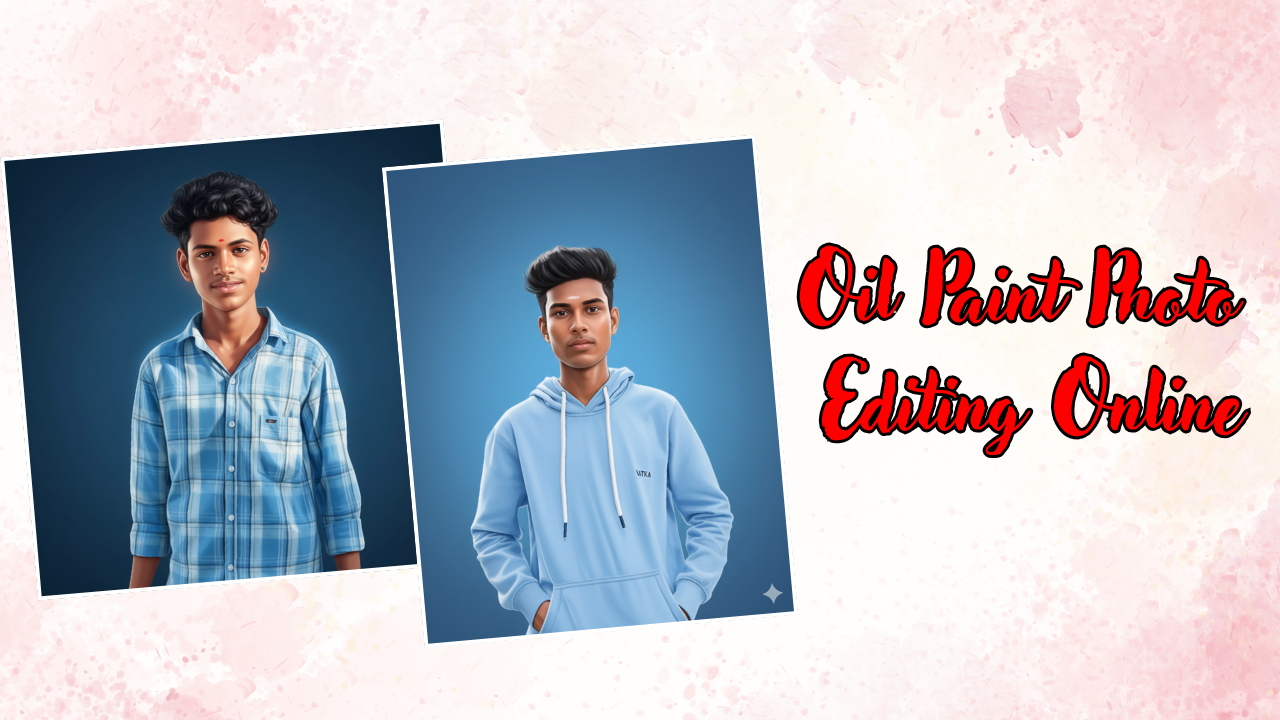
Introduction to Oil Paint Editing
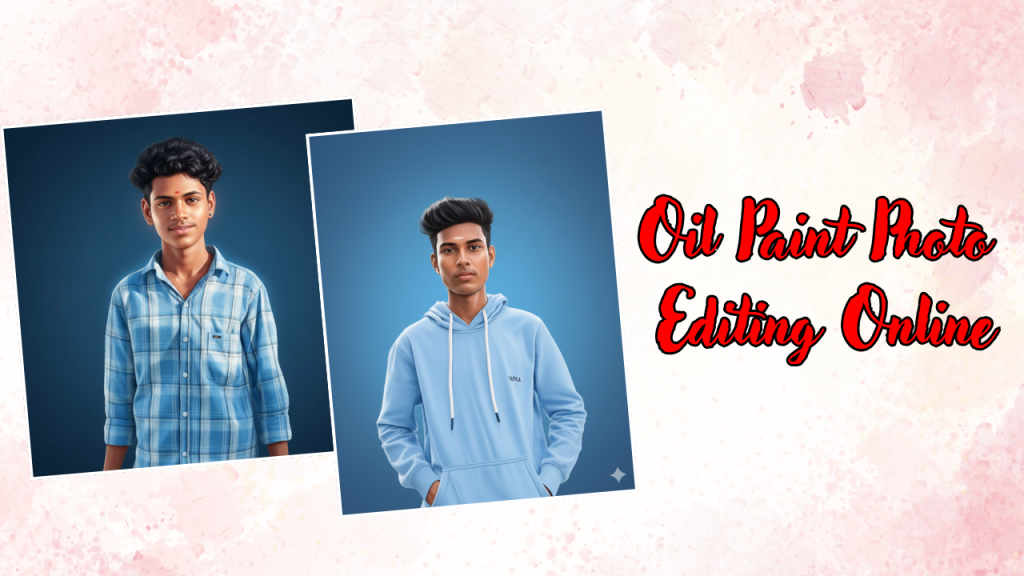
Oil paint editing is a popular digital art style used to transform ordinary photos into artistic images that look like traditional oil paintings. This editing style enhances the details, adds texture, and gives a smooth yet artistic finish that resembles canvas painting. Many creators, photographers, and editors prefer this style because it gives photos a creative and premium look.
Understanding the Oil Paint Effect
The oil paint effect replicates the appearance of brush strokes seen in real paintings. It highlights the edges, softens the skin or objects, and adds a glossy, textured surface that enhances visual appeal. This technique is commonly used for portraits, landscapes, and artistic compositions.
How Oil Paint Editing Works
Oil paint editing is achieved through specialized tools and filters found in editing apps and software. The process includes adjusting stylization, cleanliness, scale, and bristle detail to create the perfect brushstroke effect. Good lighting and high-resolution images help produce better results.
Popular Software for Oil Paint Editing
Software like Adobe Photoshop, Lightroom, PicsArt, and mobile editing apps provide advanced oil paint filters. Photoshop’s Oil Paint filter is one of the most accurate tools, offering full control over lighting, texture, and detail. Mobile apps make the effect accessible even for beginners.
Enhancing Portraits with Oil Paint Effect
Portrait photos look stunning with an oil paint finish. The effect smoothens the skin, sharpens the eyes, and gives the face a polished artistic texture. Many editors use this style for wedding portraits, modeling photos, and profile pictures.
Oil Paint Editing for Landscape Photography
Landscape images gain a dramatic and colorful effect with oil paint editing. The added brush strokes highlight natural elements like trees, water, and sky, making the scene look like a hand-painted masterpiece. This technique is perfect for nature lovers and travel photographers.
Importance of Lighting in Oil Paint Editing
Lighting plays a critical role in creating a smooth and vibrant oil paint effect. Balanced highlights and shadows help the texture appear more realistic. Poor lighting may create noise, reducing the quality of the edited image.
Color Correction for Better Results
Before applying the oil paint effect, color correction helps improve brightness, contrast, and saturation. These adjustments enhance the overall outcome and ensure the final image looks rich and attractive.
Texture and Brushstroke Customization
The strength of the oil paint effect depends on how the brushstroke details are adjusted. Increasing cleanliness gives a smoother finish, while high stylization adds more artistic strokes. Experimenting with these settings helps achieve a unique look.
Creating a Professional Oil Paint Look
Professional editors focus on fine details like highlights, shadows, and clarity. Additional retouching on skin, eyes, and background elements helps create a high-quality oil paint portrait suitable for printing or sharing online.
Mobile Apps for Quick Oil Paint Editing
Many mobile apps offer one-tap oil paint filters for quick editing. These apps are convenient for social media users who want beautiful artistic photos without complex tools. They are easy to use and ideal for beginners.
Combining Oil Paint Effect with Other Styles
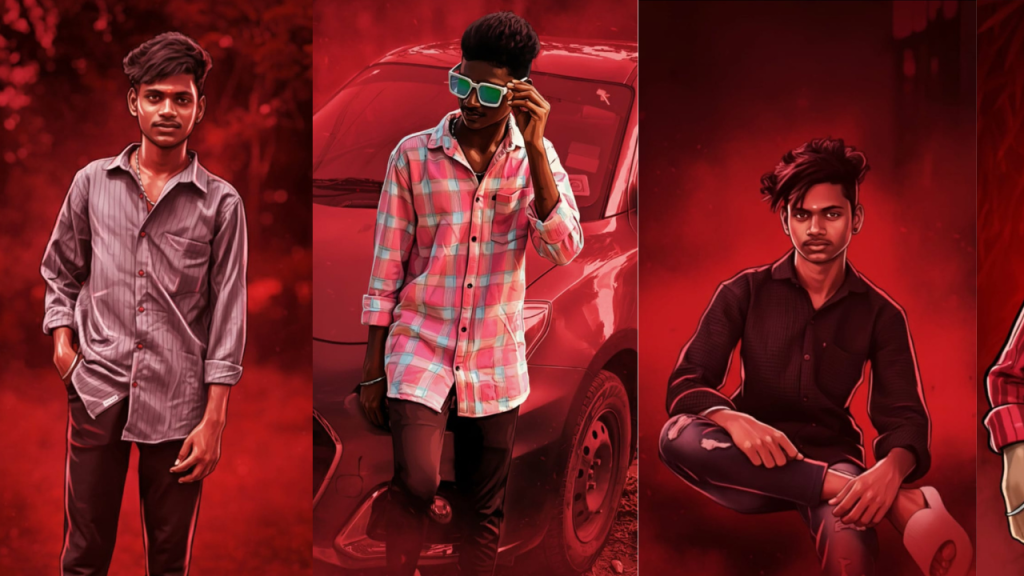
Oil paint editing can be combined with glow effects, color grading, vignette, or cinematic tones. This combination makes the image look more creative and modern. Many editors use this technique to produce unique visuals for Instagram and digital art.
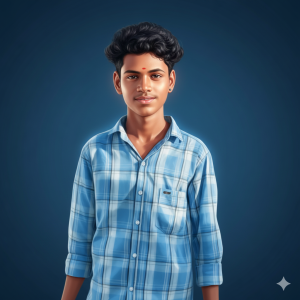
Prompt:
Make a super detailed digital portrait from this photo. Keep the face exactly the same, but make the skin smooth and warm, with perfect symmetry and soft glow on the forehead and cheeks. I want it to look realistic but polished, with glossy skin, sharp, expressive eyes, and natural hair. Use soft cinematic lighting for depth. Center the shot like a studio portrait, high resolution, refined brush strokes, realistic hair, and an 8K ultra-quality digital painting finish. Background photo studio blu colour
Uses of Oil Paint Editing in Creative Projects
Oil paint editing is widely used in album covers, posters, social media posts, and digital advertisements. The art-like finish captures attention and gives content a premium, artistic feel.
Tips for Perfect Oil Paint Editing
High-resolution images produce the best results. Editors should avoid over-stylizing as it may make the image unrealistic. A balanced approach ensures a clean, professional look.
Conclusion
Oil paint editing transforms ordinary photos into vibrant, artistic masterpieces. With the right tools, lighting, and adjustments, anyone can create beautiful oil-paint-style images. Whether you are a beginner or a professional editor, this technique adds creativity and value to your visual content.